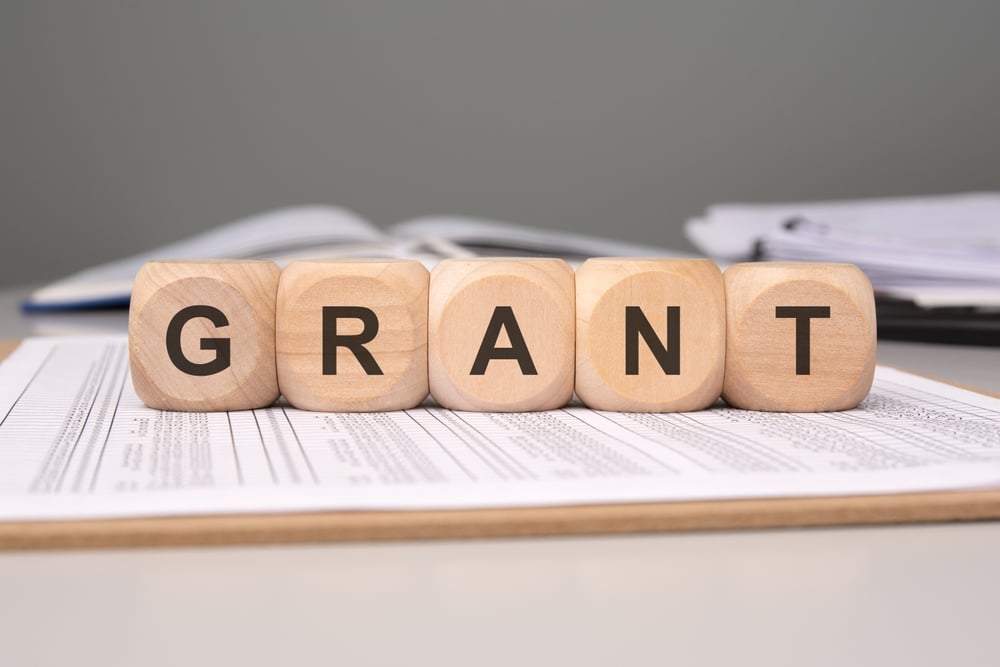
For many nonprofit leaders, grant reporting is one of the most important, and stressful responsibilities they face. Funders want proof that programs are making a difference, boards want transparency. Staff need to balance documentation requirements with direct service delivery. Meanwhile, organizations are often managing multiple grants, each with its own reporting standards, timelines, and expectations.
The good news is that grant reporting doesn’t have to be overwhelming. With the right systems and approach, nonprofits can transform everyday program data into compelling evidence that strengthens funding opportunities, builds trust with stakeholders, and supports long-term sustainability.
Why Grant Reporting Matters More Than Ever
The funding landscape has changed significantly over the past decade. Grantmakers are increasingly focused on measurable outcomes rather than simply funding activities. They want to understand not only how funds were spent, but also what changed as a result of those investments. Did housing stability improve? Were more individuals connected to services? Did participants achieve meaningful recovery milestones? How did the program strengthen the community? These questions require more than anecdotal stories. They require data.
At the same time, strong grant reporting helps nonprofits demonstrate accountability, build credibility, and establish themselves as trusted partners for future funding opportunities.
Organizations that can clearly show their impact often find themselves in a stronger position when applying for grants, renewing funding, or expanding programs.
The Common Challenges of Grant Reporting
Finding the time and resources to do reporting well can be a challenge. Many organizations still rely on spreadsheets, manual data entry, and disconnected systems to collect information. Program data may live in one place, case notes in another, and outcome reports somewhere else entirely.
As reporting deadlines approach, staff are often forced to spend hours pulling information from multiple sources, validating numbers, and assembling reports manually. This process increases the risk of inconsistencies and incomplete reporting.
Even more importantly, it prevents organizations from using data strategically throughout the year. Instead of continuously measuring impact, many nonprofits only examine data when a report is due.
The Shift From Compliance to Strategy
One of the biggest misconceptions about grant reporting is that it’s simply a compliance requirement. In reality, effective grant reporting can become one of an organization’s most valuable strategic assets.
When nonprofits consistently collect and analyze program data, they gain insight into what is working, where challenges exist, and how resources can be allocated more effectively. Strong reporting helps leaders answer important questions like: are programs producing the outcomes they were designed to achieve? Which services are creating the greatest impact? Where are gaps in support emerging?
The organizations that thrive are often those that treat reporting as an ongoing process rather than a periodic obligation.
Turning Everyday Data Into Funding Opportunities
Every day, nonprofit staff collect valuable information through case management, service delivery, assessments, referrals, and community engagement. The challenge is transforming that information into meaningful outcomes.
Funders rarely want pages of raw data. They want clear evidence that investments are creating measurable change. This is where data becomes powerful.
When organizations can demonstrate progress through reliable reporting, they strengthen their ability to:
- Secure grant renewals
- Attract new funding sources
- Build confidence with donors and stakeholders
- Support strategic planning efforts
- Demonstrate long-term community impact
The strongest grant applications are often built on the same data organizations use to manage their programs every day.
Why Technology Plays a Critical Role
As reporting requirements become more sophisticated, technology has become essential for nonprofit organizations. Modern reporting platforms help agencies capture information at the point of service rather than recreating it later. This improves accuracy while reducing administrative burden on staff.
The right system allows organizations to track outcomes over time, generate reports more efficiently, and access real-time insights into program performance. Instead of spending weeks preparing reports, nonprofits can focus on understanding and communicating the impact of their work. Technology also supports consistency. When data is centralized and standardized, organizations can confidently share information with funders, boards, and community partners.
Building a Culture of Impact
Successful grant reporting is about more than software and reporting templates, it’s about creating a culture where data is viewed as a tool for learning and growth. When teams understand how their documentation contributes to funding, outcomes, and organizational sustainability, reporting becomes more meaningful; allowing staff to begin seeing the connection between the services they provide and the stories the organization can tell.
The Future of Grant Reporting
As nonprofits continue to face increasing accountability expectations, grant reporting will remain a critical component of organizational success. Funders are likely to place even greater emphasis on outcomes, community impact, and data transparency in the years ahead.
Organizations that invest in strong reporting practices today will be better positioned to adapt to these evolving expectations.More importantly, they’ll be able to spend less time chasing data and more time advancing their mission. Grant reporting doesn’t have to be a burden. When approached strategically, it becomes a powerful way to demonstrate value, strengthen partnerships, and create sustainable growth.
Ready to Turn Your Data Into Funding?
Community CareLink helps nonprofits simplify grant reporting by turning everyday program data into meaningful insights and measurable outcomes. Our flexible platform helps organizations streamline documentation, track impact, and generate the reporting needed to strengthen funding opportunities and demonstrate results.
Contact Community CareLink today to learn how we can help your organization simplify grant reporting, prove impact, and secure the resources needed to grow your mission.